
A significant milestone before the arrival of winter
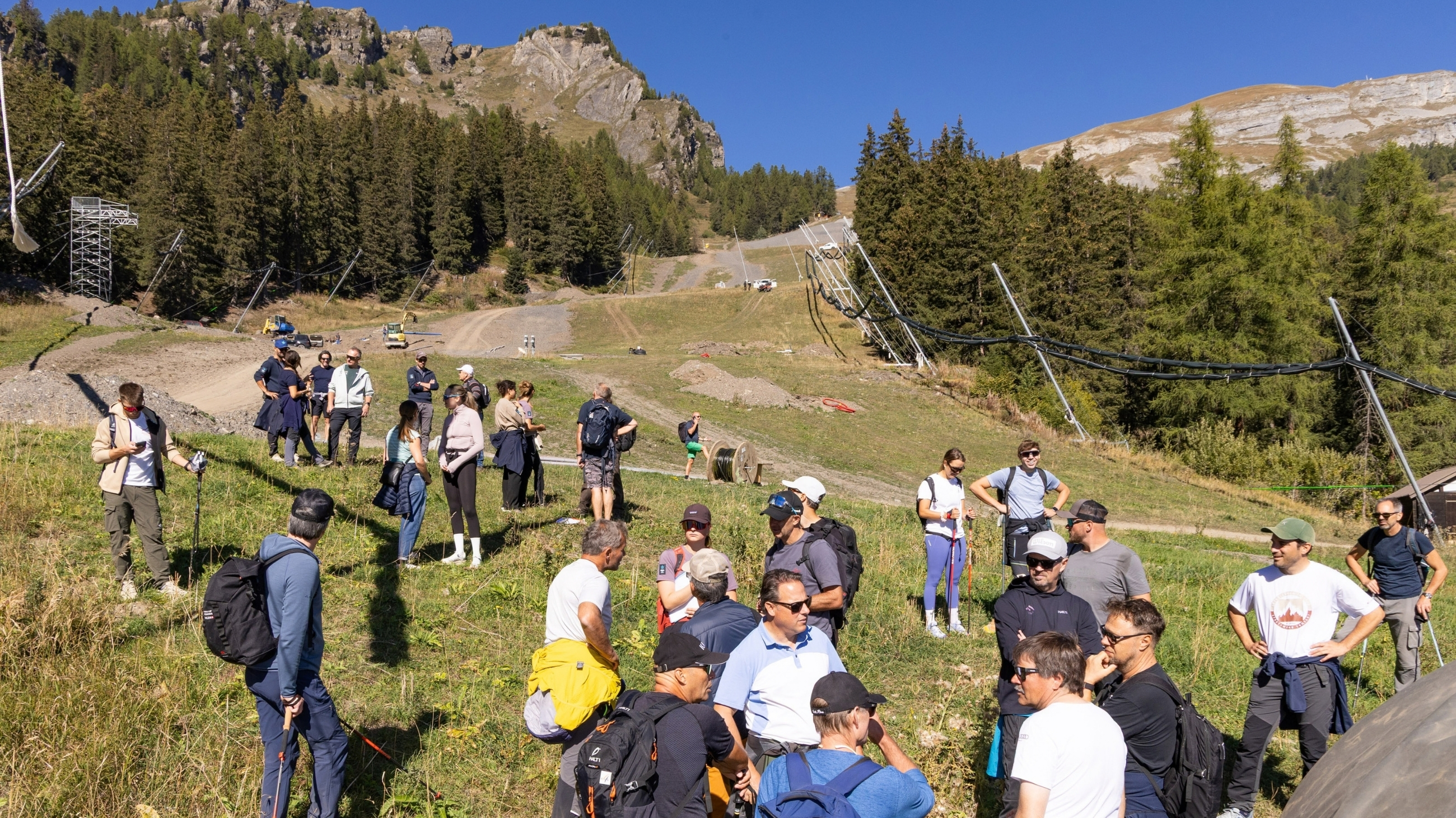
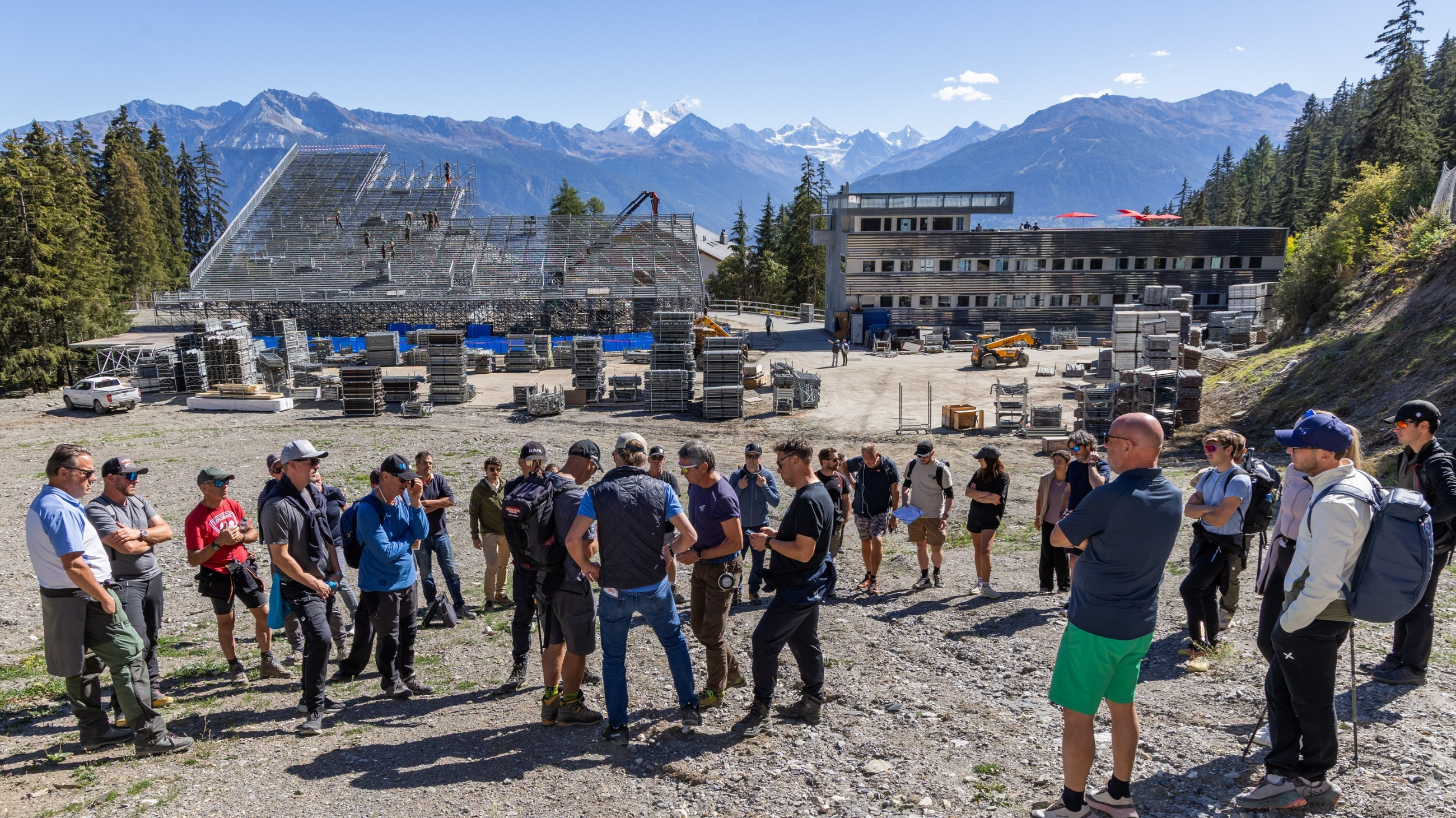
With four months to go until the opening of the 2027 World Championships, preparations are entering the final stretch. As temperatures begin to drop, everything is gradually falling into place, step by step. The impressive grandstands in the Barzettes finish area have sprung up like mushrooms in recent days. Now it is time for the final adjustments.
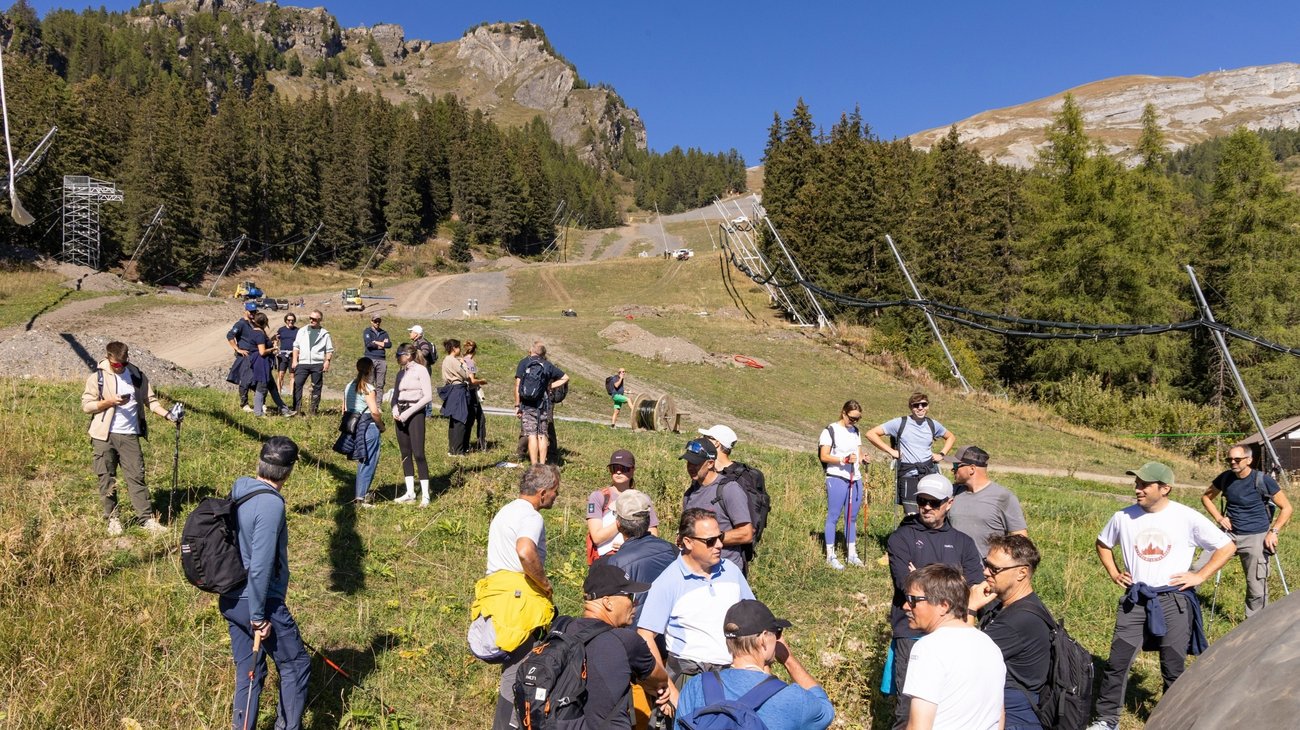
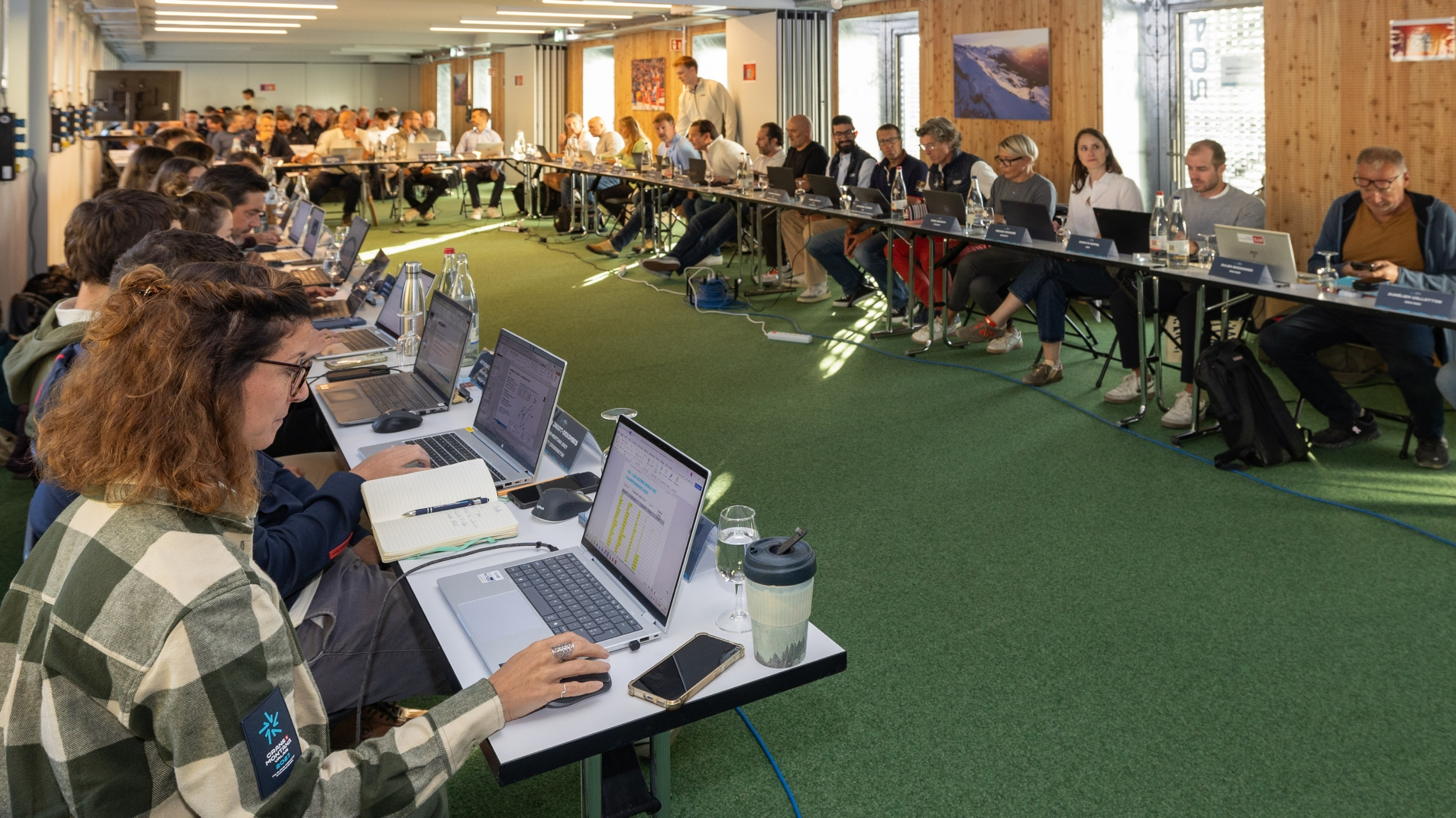
This involves meticulous work, traditionally kicked off by the final inspection of the International Ski and Snowboard Federation (FIS). The three-day inspection took place during the penultimate week of September, in the presence of all the partners involved. “It’s a major review to make sure we’ve thought of everything,” summarises Didier Défago, CEO of the Organising Committee.
“It’s a major review to make sure we’ve thought of everything.”
Didier Défago, CEO of the Organising Committee, Crans-Montana 2027
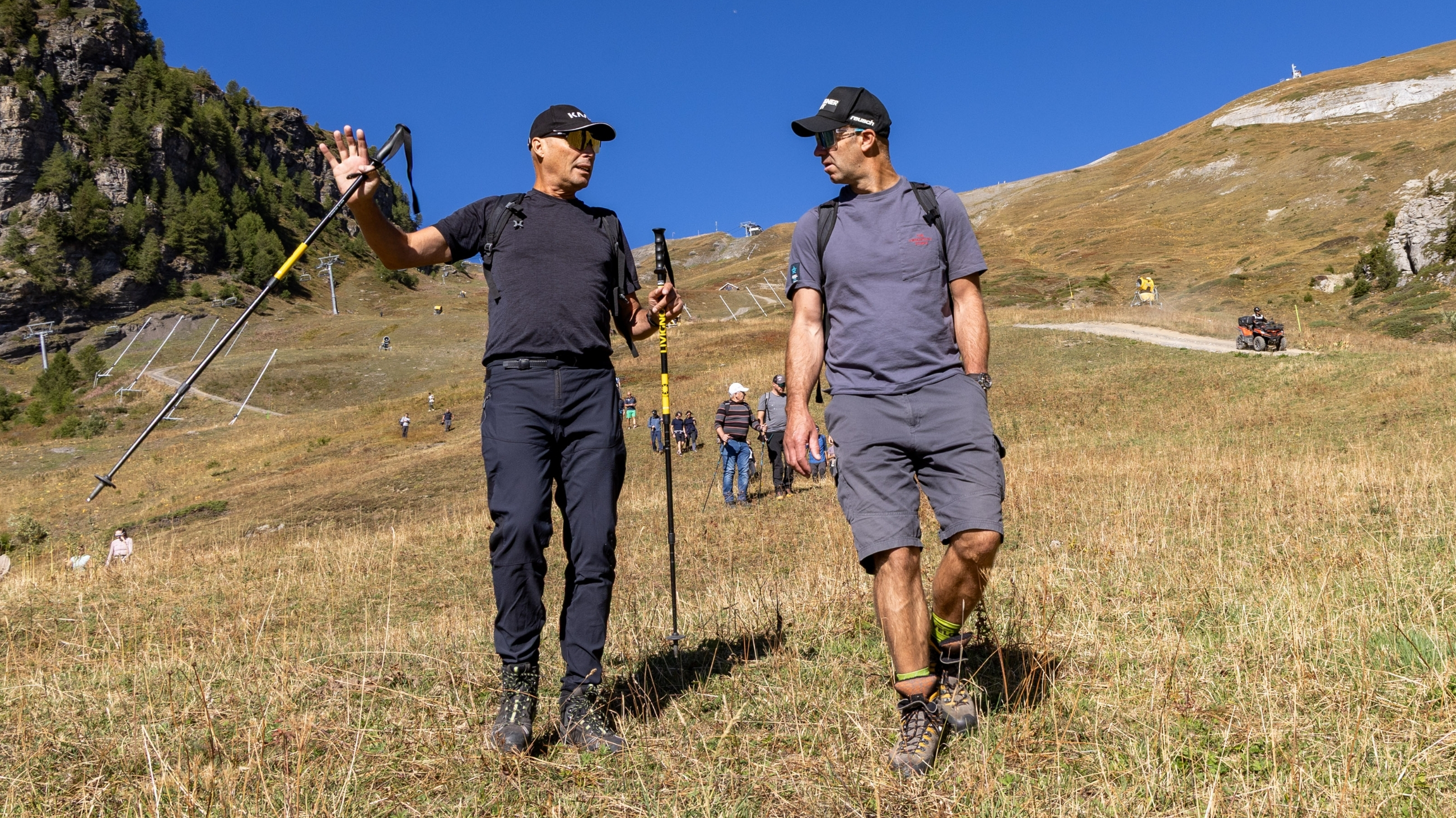
During the summer, a FIS team visits the various resorts hosting the Alpine Ski World Cup to carry out this traditional inspection. But when it comes to the World Championships, its importance is even greater. “It’s particularly important to make sure all the details are sorted out,” explains Markus Waldner, Men’s World Cup Race Director.
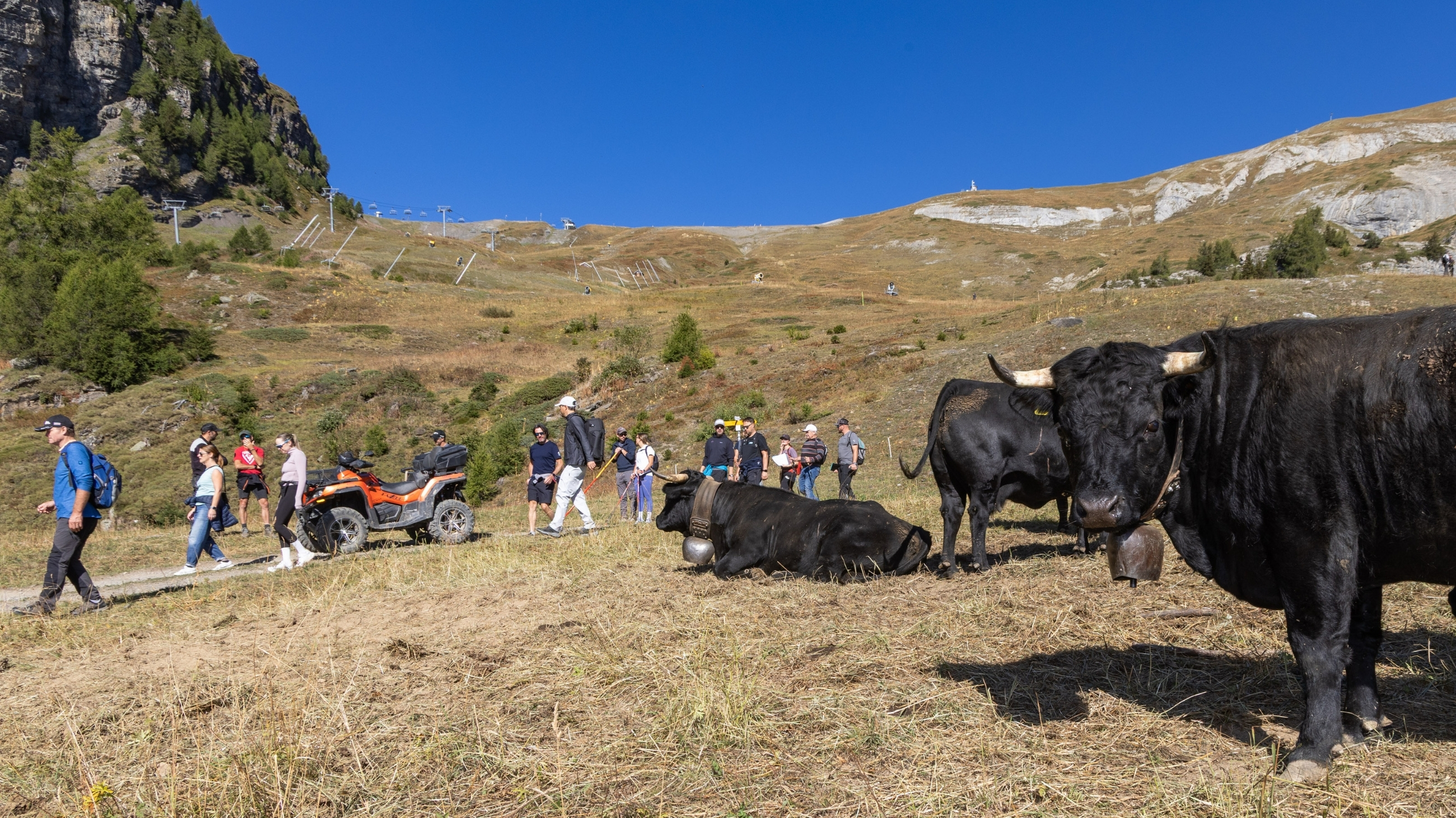
In practical terms, this includes checking the positioning of the broadcasters’ cameras and finalising where intermediate times will be recorded. The group therefore makes its way down the slopes. Those involved include several FIS representatives, of course, as well as representatives from the Organising Committee, RTS, Swiss Timing and the municipalities of the Haut-Plateau.
Safety is also one of the key aspects of the inspection. The positioning of safety nets and air fences, the locations of the yellow flags used to signal a race stoppage and the procedures to be followed by athletes are all reviewed. These discussions allow the FIS to draw up its Safety Report and precisely define the measures that will be implemented during training sessions and competitions. The rules governing the presence and movements of coaches and athletes on the slopes are also examined to ensure safety while preserving the snow as much as possible.
With only a few months to go until the first races, slope preparation also plays a central role in the discussions. The various stakeholders determine where snow production needs to be increased, how the snow will be prepared and groomed, and whether any terrain modifications are required to improve certain sections. This is also when the main features of the future course settings are discussed.
This year, particular attention was given to the technical disciplines, which have rarely been held in Crans-Montana in recent years. With only one finish area for all events, managing the snow on the final section represents a particular challenge. The course settings and preparation must make it possible to preserve certain areas of the slope for the technical events in the second week. Even if part of the surface has to be treated with salt during the first races, for example, a sufficiently high-quality surface must be preserved for the remainder of the programme.
“We’ve had World Cup speed races here over the past two years. So we’ve gained a lot of experience and know how we want to present the races in February.”
Markus Waldner, Men’s World Cup Race Director, FIS
Crans-Montana’s experience is, however, a valuable asset. On the women’s side, the Mont Lachaux slope has proven for several years that it is worthy of hosting the world’s best female skiers and has become a true World Cup classic. As for the Nationale slope, the situation is not fundamentally different. Only a few adjustments have been made to the terrain. “We’ve had World Cup speed races here over the past two years,” Markus Waldner points out. “So we’ve gained a lot of experience and know how we want to present the races in February.” The racing line is not expected to change significantly, although some slight improvements will be made. “We take the athletes’ feedback into account,” continues the head of the men’s circuit. “We can push the limits a little further on the jumps to make the product even more attractive and the images even more spectacular.” See you in February to discover the result.
The FIS visit to Crans-Montana was also an opportunity to ensure that no organisational aspect had been overlooked. Most of the venues, including the media centre and the Medal Plaza, were visited. “There will be a lot of coordination required between the different departments,” emphasises Didier Défago, who points out that organising World Championships differs from a World Cup not only in terms of scale, but above all in terms of duration.
Taking place more than four months before the first events, this inspection still leaves time to make the final identified adjustments before winter arrives and the final phase of preparations begins. This time, the machine is well and truly in motion.
Check out our YouTube channel for a video showing this important stage of our preparations for the World Championships.
Premium partners



Institutional partners


More partners
